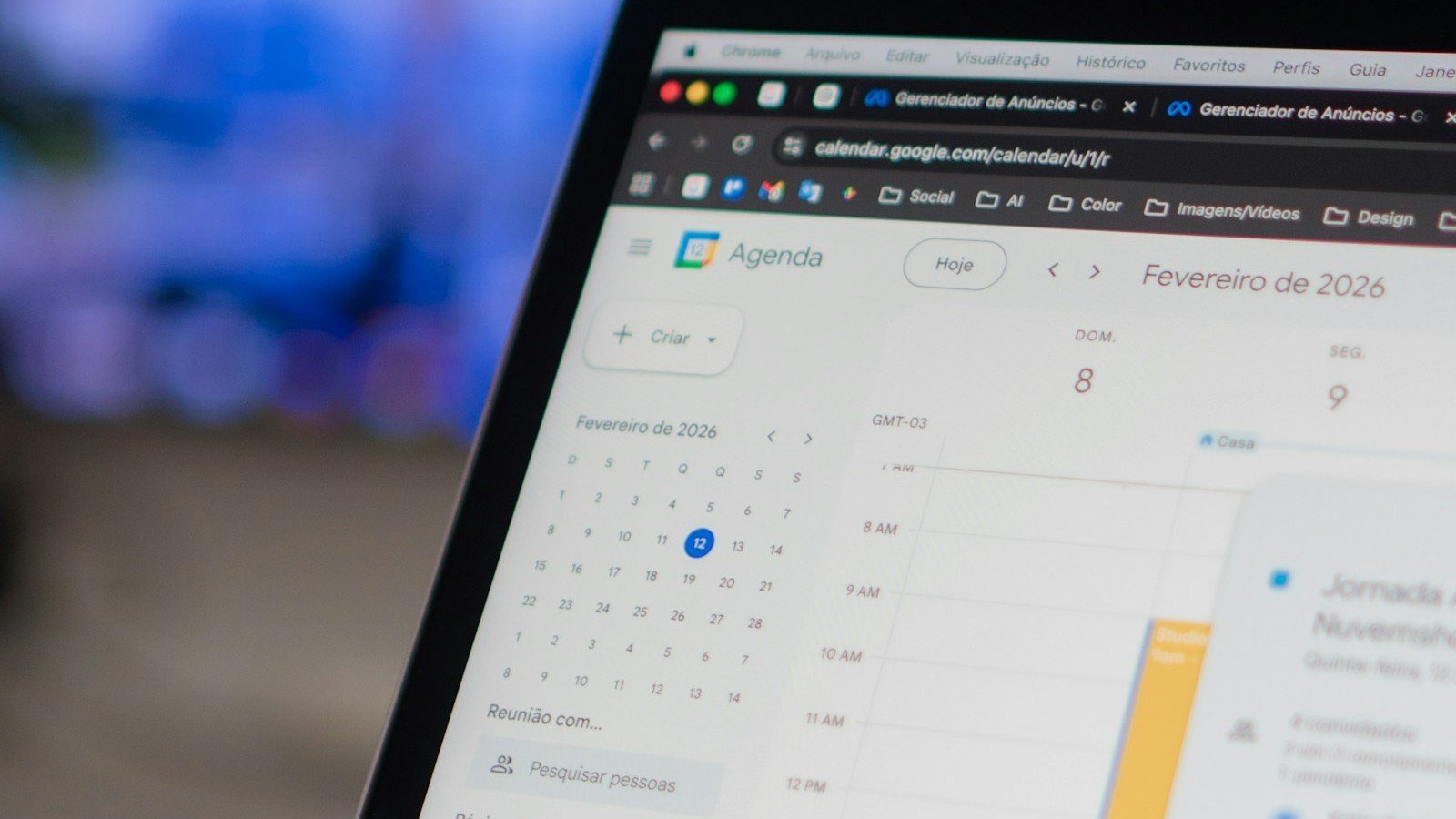
Sunday night arrives, and the calendar shows a familiar pattern: several tasks moved forward, two took longer than expected, and next week's work commitments have changed again. Learning how to do a weekly graduate school review gives working professionals a structured way to update the plan without treating every unfinished task as a personal failure.
A weekly review is not another elaborate productivity ritual. It is a short evidence-based checkpoint between the plan you made and the week that actually occurred. You record what changed, identify academic risks, examine workload capacity, and decide what deserves attention next.
This guide explains how to close the current week, review multiple courses together, detect problems early, build a realistic next-week plan, and keep the process short enough to sustain through demanding periods at work.
How to do a weekly graduate school review
Choose a repeatable time when enough information about the coming week is available. For many professionals, that is Friday afternoon, Saturday morning, or Sunday evening. The exact day matters less than reviewing before the week begins to control you.
Gather one trusted calendar, each course site, current assignment notes, faculty messages, and your work and family schedule. Avoid opening every file. The review should establish status and decisions, not become an unplanned study session.
Use five headings: completed, still open, newly added, at risk, and waiting on someone else. Record outcomes rather than effort alone. “Read three articles and extracted evidence” is clearer than “worked on literature review.”
Set a time boundary of approximately twenty to thirty minutes for an ordinary week. A crisis or major project period may need longer. If the review repeatedly lasts an hour, the system is probably capturing too much detail or doing work that belongs in a study block.
Close the week before planning another one
Confirm what was actually submitted, received, scheduled, or completed. Check submission receipts and gradebook or feedback notifications where appropriate. Do not rely on the memory of uploading a file late at night.
For unfinished work, choose one status: continue, reschedule, clarify, or remove. Carrying every task forward automatically creates a growing list that no longer reflects priorities. If a reading is no longer required for the immediate objective, archive it rather than pretending it will fit beside new work.
Record one sentence about the largest variance: “The statistics problem set required three hours rather than the planned ninety minutes because I needed to relearn the software procedure.” This is planning evidence. It suggests additional practice and a different estimate next week.
Also capture useful feedback. A faculty comment about synthesis, calculation, or structure should become a concrete action attached to the next similar task. Feedback left inside a returned document is easy to forget when attention moves to the next deadline.
Review every course on one risk map
Look across courses rather than planning each one in isolation. Record the next deadline, current grade or feedback signal, remaining major assessments, and any prerequisite or group dependency. Collisions become visible only when the courses share one view.
Use a simple red, amber, and green status, but define the colors. Red might mean a deadline within seven days with a blocked dependency. Amber might mean work is progressing but the estimate or understanding is uncertain. Green should mean on plan, not easy.
Pay attention to leading indicators. A missed deadline is a late indicator. Earlier warnings include avoiding a course site, unclear assignment instructions, repeated low quiz results, unread faculty messages, a group member who has not responded, or research access that remains unconfirmed.
From a teaching perspective, students often wait for a grade to prove that a problem exists. A weekly review can expose the problem sooner: the work is taking twice as long, the same feedback is recurring, or the central concept still cannot be explained without notes.
Compare academic demand with actual capacity
Next, review the work calendar, shift pattern, caregiving, appointments, commute, and essential recovery time. Mark fixed constraints first. Academic plans built before these realities are visible usually overestimate capacity.
Estimate tasks by cognitive demand as well as duration. Reading a familiar policy document is different from interpreting statistical results after a twelve-hour shift. Reserve higher-energy periods for analysis, difficult practice, and original writing. Use lower-energy blocks for reference checks, file organization, and routine review.
Choose a maximum number of demanding academic outcomes for the week. Three meaningful outcomes may be more realistic than twelve small tasks. Break each outcome into the next visible action so study sessions can begin without reconstructing the project.
Protect a small contingency block. Do not fill every available hour in advance. A plan with no margin assumes perfect health, technology, work conditions, and assignment estimates—a poor assumption for any working adult.
Make explicit decisions about competing priorities
When everything appears urgent, compare consequence, deadline, dependency, and learning risk. A low-value formatting task due tomorrow may need completion, but it should not consume the only high-energy block needed to understand a major analysis.
Ask what will become more expensive if delayed. Topic approval, practicum paperwork, data permission, group coordination, and instructor questions often have waiting time outside your control. Start these before solitary tasks that can be compressed later.
Use the rubric and course outcomes to define “enough.” Perfection on one section can quietly create lateness elsewhere. Decide the quality standard, review point, and stopping condition before opening the document.
If the week cannot contain all required work, do not hide the conflict inside an impossible schedule. Identify what can be reduced, what needs clarification, and who must be contacted. For sustained overload, the guide to managing two graduate courses while working can help you evaluate workload collisions more broadly.
Write a next-week plan that is easy to restart
Place fixed deadlines and appointments first. Then assign protected blocks to the most cognitively demanding outcomes. Add smaller continuity tasks around them, but avoid splitting every project into fragments that require repeated setup.
For each major block, write a start instruction and finish condition. “Literature review” is vague. “Compare findings for the five intervention studies and draft the synthesis paragraph; stop after checking every claim against the evidence table” is actionable.
End each study session with a restart note. Record what was completed, the next decision, the file or source needed, and any unresolved question. This reduces the cost of returning after work or family responsibilities interrupt the sequence.
Share relevant commitments with family or colleagues when appropriate, without turning your schedule into a demand that others absorb all disruption. Sustainable planning includes negotiation, reciprocity, and recovery.
Keep a small record of patterns across the semester
Track only information you will use: estimated versus actual time for major task types, recurring feedback, high-risk weeks, and study conditions that support good work. After several weeks, review the pattern rather than judging one difficult weekend.
You may discover that discussion posts consistently take longer than expected, quantitative work needs morning blocks, or travel weeks require assignments to begin earlier. Adjust the system based on these observations.
Avoid turning tracking into surveillance of every minute. The purpose is better estimation and earlier decisions. If a measure creates guilt but never changes the plan, stop collecting it.
At midterm, use the weekly record to revise the semester map. Update major milestones, support needs, course-load assumptions, and recovery periods. The original calendar was a forecast; responsible planning changes when evidence changes.
Frequently asked questions
What if I miss the weekly review? Complete a shorter version at the next opportunity: check deadlines, identify one risk, compare capacity, and choose the next three outcomes. Resume the normal rhythm afterward.
Should I review grades every week? Check relevant feedback and official records without compulsive refreshing. The aim is to convert available information into action.
Can I use a paper planner? Yes. Use any system that shows all courses alongside work and family constraints, preserves important details, and is reviewed consistently.
Putting the weekly review into your program
Try the process for three weeks before adding tools or complexity. Keep the review bounded, record one planning lesson, and judge it by whether the following week contains clearer choices and fewer preventable surprises.
The Open Door School provides academic coaching, study guidance, and graduate program mentorship for working professionals building sustainable systems around demanding careers. We can help you analyze workload patterns, interpret feedback, and create realistic academic plans while you remain responsible for your own course decisions and work.
A good weekly review will not make every week predictable. It will help you notice change early, protect the work that matters most, and make deliberate adjustments before accumulated pressure becomes a crisis.
Talk to us about your program
One-on-one academic coaching for working professionals pursuing online graduate degrees. Message us on WhatsApp to see if we're a fit.