A long commute can remove ten or more usable hours from a working professional’s week before coursework begins. It also creates fatigue, unpredictability, and a difficult transition between work and study. Learning how to manage graduate school with a long commute is not simply about turning every journey into study time. It requires protecting deep work elsewhere and using travel only for tasks that are safe and appropriate.
The goal is to design a routine around the commute’s actual demands, not the time shown by a map on a perfect day.
Measure the Commute Door to Door
Track two typical weeks. Record travel, waiting, transfers, parking, delays, recovery, and preparation. Note which journeys involve driving, standing, crowded transport, or reliable seating.
Separate total time from usable attention. A ninety-minute train ride may contain thirty focused minutes. A shorter drive offers no safe reading time and may leave you depleted afterward.
Use the measured pattern to estimate weekly academic capacity. Include sleep, work, caregiving, and household responsibilities before assigning study hours.
Protect Deep Work Outside the Commute
Analysis, synthesis, complex reading, original writing, data work, and proctored assessments generally require a stable environment. Reserve one or two protected blocks at home, campus, a library, or another appropriate location.
Place the most demanding task in your best cognitive window. For some commuters that means an early weekend session; for others it may mean staying near work for a focused hour before traveling home.
Do not rely on exhausted late evenings for every substantial assignment. Short-term effort may work, but it is difficult to sustain across a graduate program.
Build a Safe Commute Task Menu
If you drive, coursework must not compete with safe attention. Audio review may be appropriate only when permitted, accessible, and noninteractive; never read, type, watch video, take notes, or handle a device while driving.
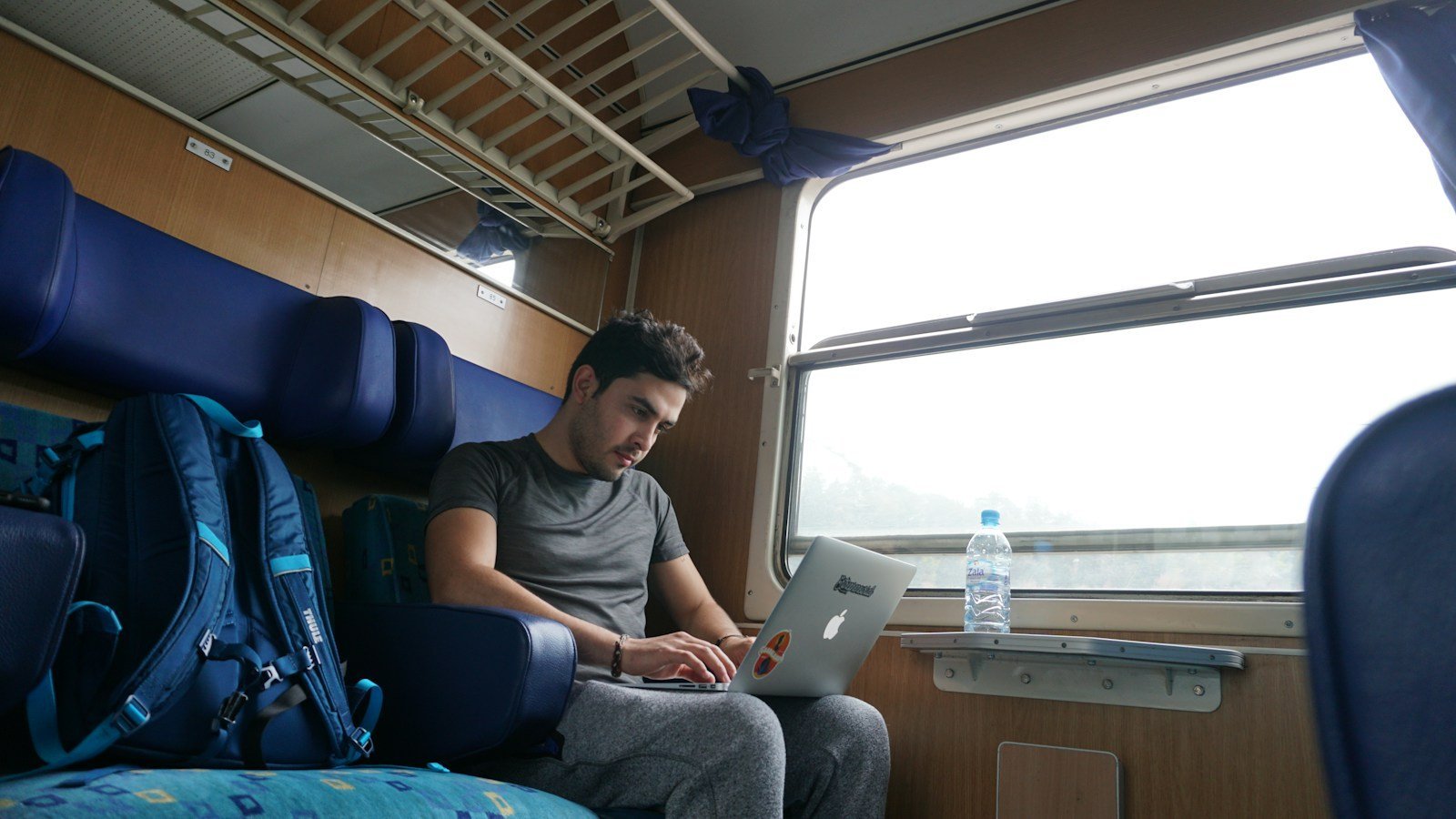
On public transport, possible tasks include downloaded reading, lecture audio, flashcards, source notes, citation checks, planning, or reviewing feedback. Choose tasks based on seating, privacy, motion, noise, and connectivity.
Create three categories: audio-only, low-focus, and seated-focus. This lets you select a realistic task without deciding from scratch at the station.
Prepare an Offline and Privacy-Aware Study Kit
Download permitted readings, rubrics, lecture materials, and drafts before leaving reliable internet. Confirm that files open offline and citations are complete. Carry headphones, charger, notebook, and an approved privacy screen where useful.
Avoid accessing confidential workplace, clinical, research, client, or student information in public. Follow university and employer requirements for devices, networks, storage, and approved applications.
Keep the kit light and repeatable. A complicated packing routine will not survive daily use.
Use the Commute for Transition as Well as Study
Not every journey should produce academic output. A deliberate transition can improve the quality of later study. Use part of the commute for rest, a meal, music, or mental separation from work.
On the journey home, choose whether the evening is a study night before you arrive. If it is, identify one specific task and a stopping time. If it is not, protect recovery without carrying vague guilt.
Decision rules reduce the daily negotiation that drains attention.
Plan Around Delay and Service Failure
Build buffer into deadlines that overlap travel. Set an internal submission date before the official due date and upload early when the work is complete.
Keep an alternate route or study location for predictable disruptions, but do not expect an emergency commute to remain productive. Know how to contact groups or faculty when a major delay affects a synchronous requirement.
Review the course policy before assuming transportation disruption qualifies for flexibility. Communicate early when a conflict is foreseeable.
Negotiate Work Arrangements Carefully
If your role permits it, consider whether adjusted start times, compressed schedules, occasional remote work, or a different office day can reduce travel burden. Frame the request around job performance, coverage, and a specific arrangement.
Do not assume flexibility is available. Confirm expectations, policy, and any trial period. Even one reduced-commute day can create a reliable deep-work block when used deliberately.
If the graduate program has campus access near work, using a library before peak travel may improve both study quality and the commute.
Coordinate Family and Household Time
A commute affects more than the traveler. Discuss arrival times, meals, childcare, caregiving, and protected study with the people who share your responsibilities.
Choose specific study blocks rather than describing every evening as busy. Protect family time that the commute has already reduced. A sustainable program cannot require everyone else to absorb unlimited uncertainty.
Use a shared calendar for high-demand academic weeks and unusual travel days.
Review the Schedule by Energy, Not Only Hours
Track when concentration is actually available. A two-hour evening after a difficult drive may produce less useful work than forty-five minutes before leaving the office.
Match tasks to energy: high-focus writing and analysis, medium-focus revision and synthesis, low-focus organization and review. Keep a restart note after every study session.
If the commute changes due to relocation or a new job, rebuild the routine from observation rather than automatically preserving old study times.
Reassess Course Load and Format
Before registration, examine synchronous sessions, campus residencies, group work, clinical placements, and exam requirements. An online course is not necessarily asynchronous or commute-proof.
If travel plus coursework repeatedly produces unsafe fatigue, missed deadlines, or declining work performance, talk with an adviser about sequencing or load. Review financial, visa, employer-reimbursement, and time-to-degree consequences before changing enrollment.
For a broader weekend structure, see our weekend study system for graduate students.
Create a Weekly Commute Review
Once a week, check travel disruptions, upcoming deadlines, protected deep-work blocks, family commitments, and the task menu. Download needed materials and decide which journeys should remain recovery time.
Remove plans that repeatedly fail. If you never complete complex reading on the evening train, move it to a protected block and use the journey for lighter review.
A commute-aware plan improves by responding to evidence rather than demanding more discipline from an unsuitable schedule.
Prepare for Seasonal and Weather Changes
A commute that is manageable in one season may become unreliable during winter weather, extreme heat, school traffic, construction, or changes in public-transport schedules. Review these patterns before a high-demand academic period rather than after delays begin.
Identify the weeks when travel risk is highest and move major academic work earlier. Keep required materials available offline, confirm remote-access options, and know which study location remains usable during service interruptions. If severe conditions affect driving safety, academic productivity should not take priority over safe travel.
At the start of each term, compare the new course schedule with the current transport timetable and workplace expectations. A routine built around last semester’s commute may no longer fit. Updating the plan seasonally prevents small travel changes from consuming the margin that protects deadlines and recovery.
Frequently Asked Questions
Is listening to lectures while driving a good study method?
Only when it is permitted, noninteractive, and does not distract from driving. Never handle a device or attempt tasks that reduce safe attention.
What is the best study task for a train commute?
It depends on seating, privacy, noise, and motion. Downloaded reading, source notes, feedback review, and planning often fit better than complex analysis.
Should I stay near work to study before commuting home?
It can be effective if you have a safe, appropriate location and it does not create unsustainable family or recovery costs. Test the arrangement and review its actual value.
Need a study plan built around a demanding commute? Academic coaching can help you map capacity, protect deep work, and use travel time responsibly while you remain accountable for your learning and submissions. Chat on WhatsApp.